
If a shot suddenly stings more than usual, bleeds, or your numbers drop faster than expected afterward, you may be wondering whether your insulin injection hit a muscle. Insulin and GLP-1 medications such as Ozempic, Victoza, and Saxenda are designed to go into the fatty layer just under the skin (subcutaneous tissue), not into muscle. This guide covers the common signs of an accidental intramuscular (IM) injection, why it matters, and how pen needle length and technique help you avoid it.
Why an Insulin Injection Hitting Muscle Matters
Muscle has a richer blood supply than fat. When insulin is injected into muscle instead of the subcutaneous layer, it can be absorbed faster and less predictably. For many people that can mean a quicker drop in blood sugar and a higher chance of an unexpected low, especially with rapid-acting insulin or after exercise. Repeated IM injections can also make day-to-day glucose patterns harder to read. Injection-technique guidance for pen users has emphasized for years that the goal is reliable subcutaneous delivery every time.
Signs Your Pen Needle May Have Gone Into Muscle
There is no single sure sign, but these are common clues:
- Sharper or deeper pain than your usual injection, sometimes an ache that lingers.
- More bleeding or bruising at the site than normal.
- A faster-than-usual blood sugar drop in the hours after the dose.
- Injecting into a lean area (thigh, arm, or abdomen with little fat) with a longer needle or without a skin lift.
One painful or bloody shot does not automatically mean you hit muscle; small blood vessels near the surface can cause the same thing. If you suspect an IM injection, check your glucose more often over the next few hours and follow the low-blood-sugar plan your healthcare provider gave you. Do not take an extra dose to "make up" for it.

How Pen Needle Length Affects the Risk
Needle length is the biggest factor you control. Skin is only about 2 to 3 mm thick in most adults regardless of body size, so a short needle reliably passes through the skin and into the fat layer below. Longer needles (8 mm and up) are more likely to reach muscle, particularly in slim adults, children, and in the thighs or arms.
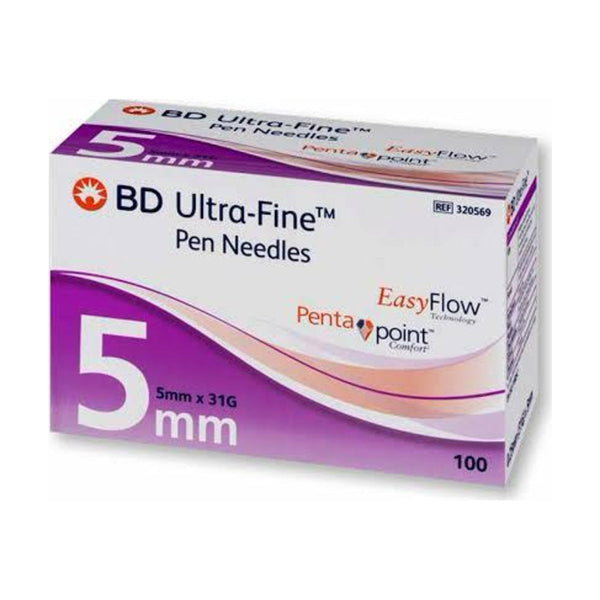
- 4 mm needles are widely recommended as a starting point for most adults and can usually be used at a 90-degree angle without pinching the skin.
- 5 to 6 mm needles may call for a skin lift in lean areas.
- 8 mm needles generally need a skin lift or angled injection to lower the chance of reaching muscle.
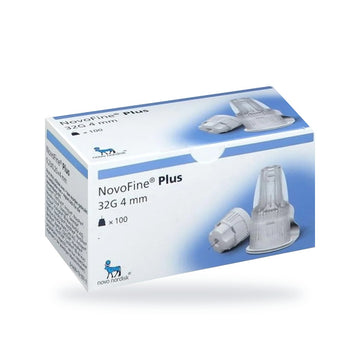
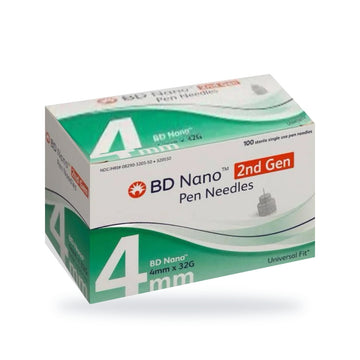
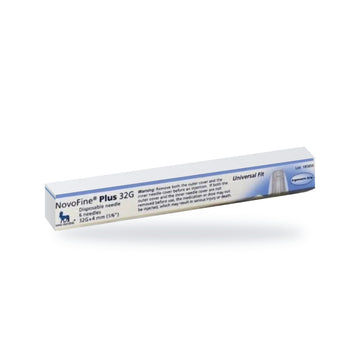
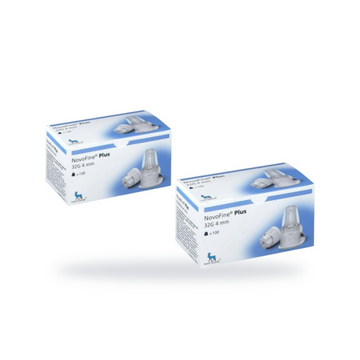
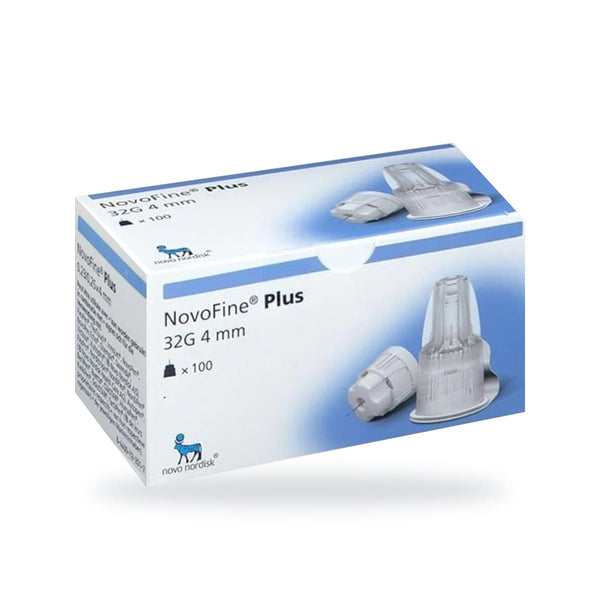
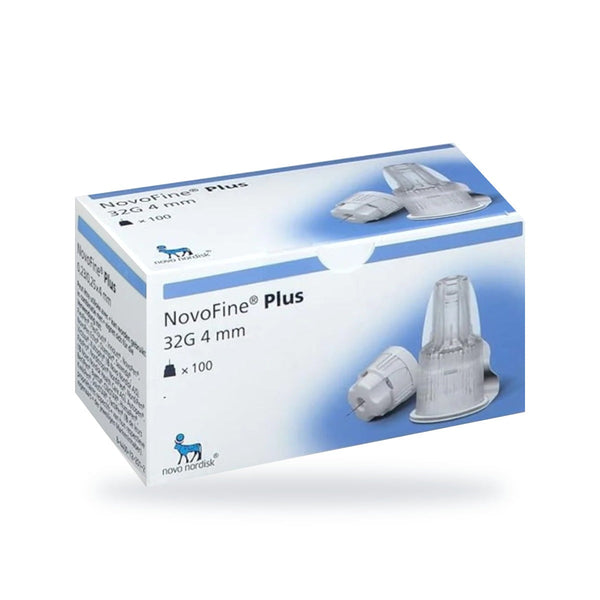
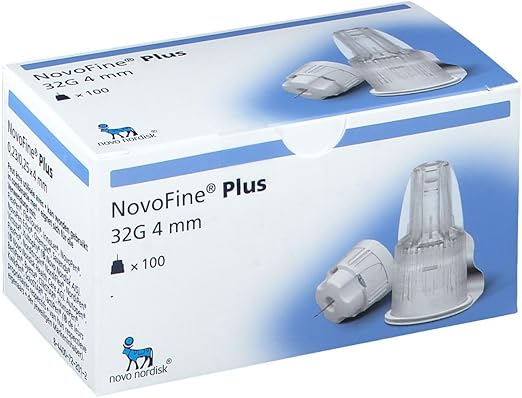
Options such as the BD Nano 2nd Gen 32G 4mm pen needles and NovoFine Plus 32G 4mm pen needles are short, thin, and fit most major insulin and GLP-1 pens. For more on angles and skin lifts, see our guide: Do You Need to Pinch the Skin With a 4mm Pen Needle?
Technique Tips to Keep Every Shot Subcutaneous
- Insert the needle straight in at 90 degrees with a 4 mm needle; don't press the pen hard into the skin, which can push the tip deeper.
- Use a gentle skin lift if you are very lean or using a needle longer than 4 mm.
- Choose areas with more fat, like the abdomen (about two inches from the belly button), and rotate sites.
- Avoid injecting right after heavy exercise into a muscle you just worked, such as the thigh after running.
- Use a new needle for every injection so the tip stays sharp and glides in cleanly.
Quick Checklist
- Using the shortest needle length your provider is comfortable with (often 4 mm)?
- Injecting at the right angle, with a skin lift if needed?
- Pressing the pen gently, not forcefully?
- Rotating sites and avoiding lean, just-exercised areas?
- Checking glucose more often after a shot that felt "different"?
FAQ
Can a 4 mm pen needle hit muscle?
It's uncommon in most adults when inserted at 90 degrees without pressing hard, but it can happen in very lean areas or in children. Ask your provider whether a skin lift makes sense for you.
Is it dangerous if my GLP-1 shot went into muscle?
Occasional accidental IM injections are not usually an emergency, but absorption may differ. Contact your healthcare provider if you have unusual symptoms or concerns.
Should I switch to a shorter needle?
Many people move from 6 or 8 mm needles to 4 mm needles for comfort and consistency. Talk with your provider before changing, then browse our full range of pen needles.
This article is general information, not medical advice. Decisions about your medication, needle length, and injection technique should follow your healthcare provider's guidance.
New to Zahrun? Use code WELCOME10 at checkout to save on your first order of pen needles.
Shop genuine pen needles
Factory-sealed NovoFine and BD, with free U.S. shipping.