
If you wear a continuous glucose monitor (CGM) and also use an insulin pen, you have probably wondered about injecting insulin near a CGM sensor. Belly real estate fills up fast, and it is tempting to inject wherever there is open skin. This guide explains why spacing matters, how to map your injection sites around a Dexcom, FreeStyle Libre, or other sensor, and which pen needles make the job easier. Your exact sensor placement and injection plan should follow your healthcare provider and your device's user guide.
Why Injecting Insulin Near a CGM Sensor Can Affect Readings
A CGM measures glucose in the fluid just under the skin. Insulin works locally first, then spreads. If you inject too close to the sensor filament, the sensor may pick up the local effect of that insulin before the rest of your body does. That can show up as readings that drop faster or lower than expected, or readings that do not match a fingerstick.
CGM manufacturers address this in their instructions. Many advise keeping insulin injection sites and pump infusion sets a few inches away from the sensor. The exact distance can differ by brand and model, so check the user guide that came with your system and follow it.
How to Map Pen Injection Sites Around Your Sensor
Site rotation still matters when you wear a CGM. Repeatedly injecting in the same small patch can lead to lumpy, thickened skin (lipohypertrophy), which can make insulin absorb less predictably. A simple plan keeps both your sensor and your injection sites healthy:
- Pick a "no-inject zone." Picture a circle around the sensor that matches the distance in your device instructions, and keep all injections outside it.
- Use the opposite side. If the sensor is on the back of your left arm, favor the right side of your abdomen or your thighs for injections.
- Rotate in a pattern. Divide each injection area into quadrants and move through them, spacing each shot about a finger's width from the last.
- Plan ahead at sensor changes. When you place a new sensor, choose a spot that leaves your usual injection areas open for the next 10 to 15 days.
- Avoid tape and adhesive edges. Injecting under or right next to overpatches can irritate skin and loosen the sensor.
For a full walkthrough of rotation, see our step-by-step pen needle technique and site rotation guide.

Best Pen Needles When You Also Wear a CGM
Any standard pen needle that fits your pen works alongside a CGM. The needle choice is less about the sensor and more about comfort and making rotation easy when you have fewer open spots. Short, thin needles help in a few ways:
- 4mm length: Widely recommended for most adults, usually without pinching the skin, so you can inject cleanly in smaller areas such as the thigh or a tighter section of abdomen.
- 32G gauge: A thinner needle tends to feel more comfortable, which helps when you are rotating into areas you are less used to.
- Fresh needle every time: A new needle stays sharp and lowers the chance of skin irritation near your sensor site.
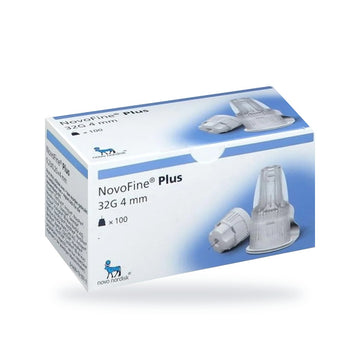
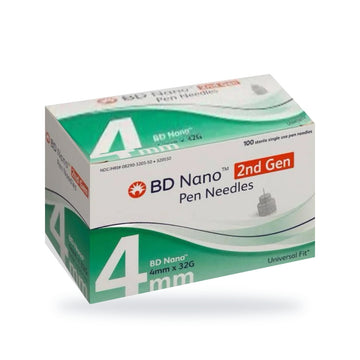
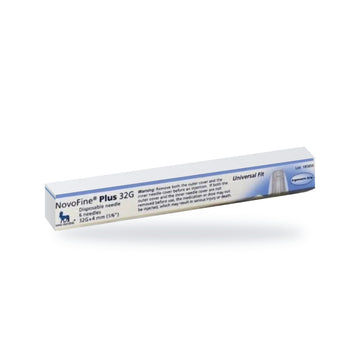
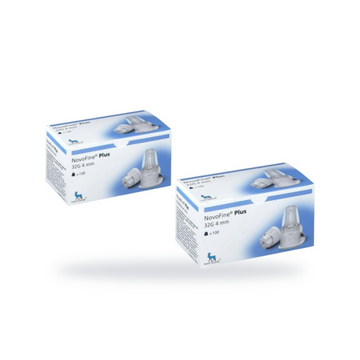
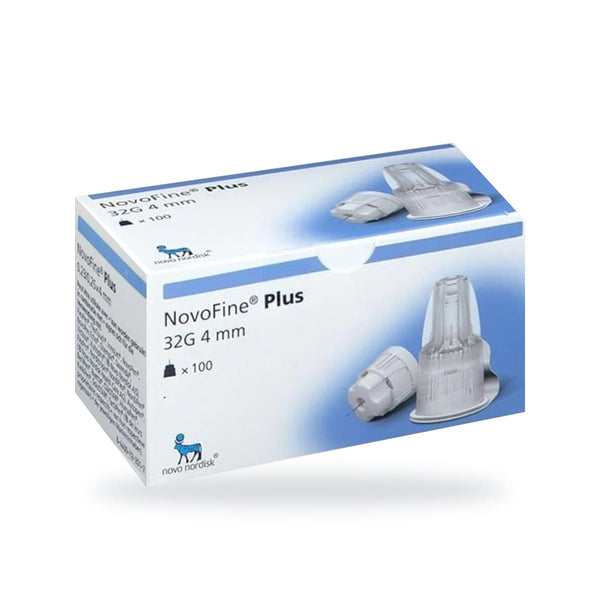
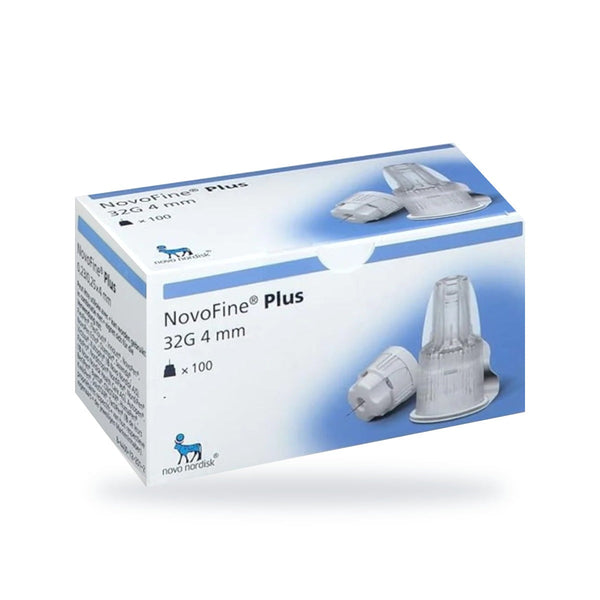
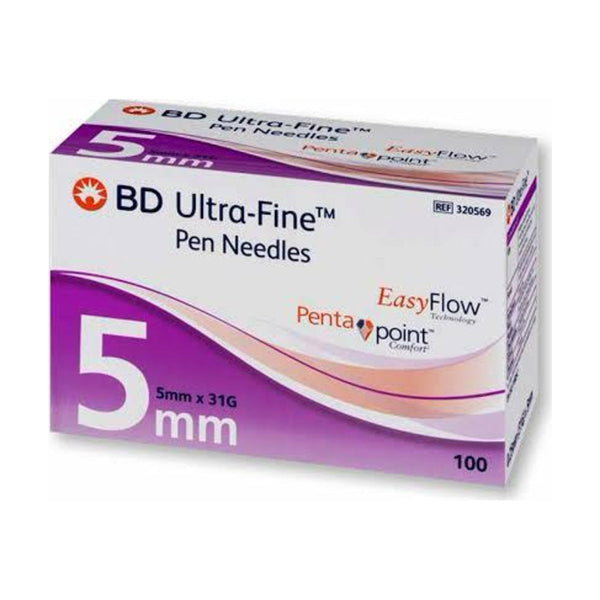
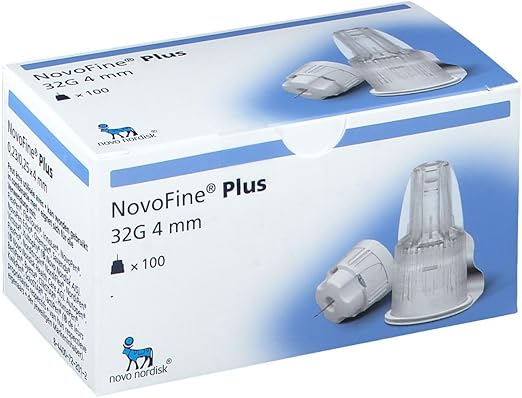
Popular options include NovoFine Plus 32G 4mm pen needles and BD Nano 2nd Gen 32G 4mm pen needles. Both fit most major insulin pens and multi-dose GLP-1 pens. You can compare every length and gauge in our pen needles collection.
Quick Checklist for CGM Users With Insulin Pens
- Read your CGM user guide for the recommended distance between sensor and injection sites.
- Keep a mental (or written) map of where your sensor is and where you injected last.
- Inspect sites for lumps, bruising, or redness and skip those spots.
- Use a new pen needle for every injection and dispose of it in a sharps container.
- If readings look off after an injection, confirm with a fingerstick and talk to your care team before changing anything.
FAQ: Insulin Injections and CGM Sensors
Can I inject insulin on the same arm as my sensor?
Often yes, as long as you stay outside the distance your device instructions recommend. Many people find it simpler to use a different body area entirely.
Does a GLP-1 injection like Ozempic affect my CGM the same way?
GLP-1 medicines work differently from insulin, but keeping any injection away from the sensor is still a sensible habit and avoids irritating the sensor site.
Do I need a special pen needle for CGM users?
No. Standard pen needles work fine. Short 4mm needles simply make it easier to use smaller, well-spaced sites.
My reading dropped right after injecting. Was it the needle?
It may be the injection site being too close to the sensor. Check with a fingerstick, move future injections farther away, and ask your provider if it keeps happening.
Stocking up for the month? New customers can use code WELCOME10 at checkout for 10% off their first order of pen needles.
This article is for general information only and is not medical advice. Follow your healthcare provider's instructions and your device's user guide for sensor placement, injection sites, and insulin use.
Shop genuine pen needles
Factory-sealed NovoFine and BD, with free U.S. shipping.