
If your eyesight isn't what it used to be, the small steps of a pen injection, like peeling the paper tab, finding the inner cap, and reading the dose window, can feel harder than the shot itself. Choosing the right pen needles for low vision and building a routine you can do by touch can make insulin and GLP-1 injections calmer and more consistent. This guide covers practical setup tips, what to look for in a pen needle, and a simple checklist you can use every day.
Why Pen Needles for Low Vision Need a Little Extra Thought
Most pen needles look nearly identical, and the most important parts are tiny: the protective paper tab, the clear or colored inner needle cap, and the needle itself. With reduced vision, it's easy to miss a cap that's still on, a tab that's partially torn, or a needle that didn't screw on straight. A consistent product and a consistent routine reduce those surprises, because your hands learn exactly how each step should feel.
Many people with vision changes also manage other conditions that affect dexterity or confidence. If that sounds familiar, our guide to the best pen needles for seniors and arthritis has more grip and handling tips.
What to Look For in a Pen Needle When You Can't See Well
- A short, thin needle you can stick with. A 4mm, 32G needle is a common choice for adults because it's short enough that many people don't need to pinch the skin. Fewer steps means fewer things to check by sight. Your provider can confirm the right length for you.
- One brand, one size, every time. Switching brands changes the feel of the cap, the hub, and the tab. Staying with one product lets your fingers memorize it.
- Clear packaging you can sort by feel. Keep a sealed 100-count box in one spot and only move a few needles at a time to your daily kit.
- Compatibility with your pen. Standard screw-on pen needles fit most major insulin and GLP-1 pens. Check your pen's instructions if you're unsure.
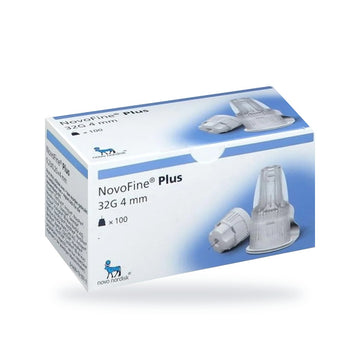
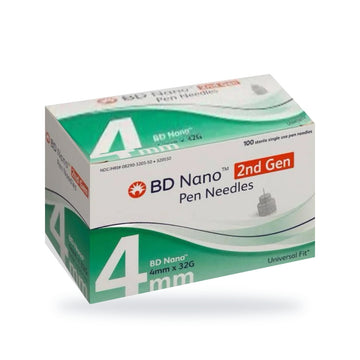
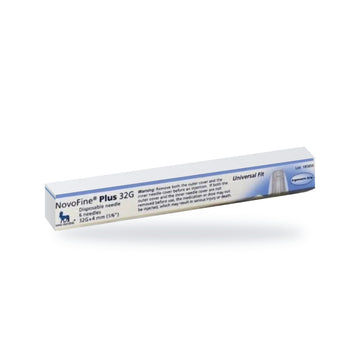
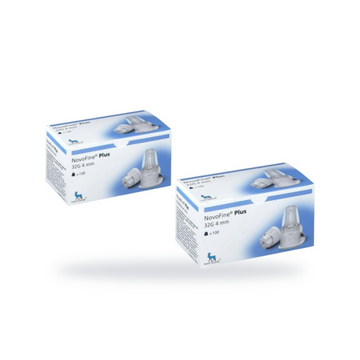
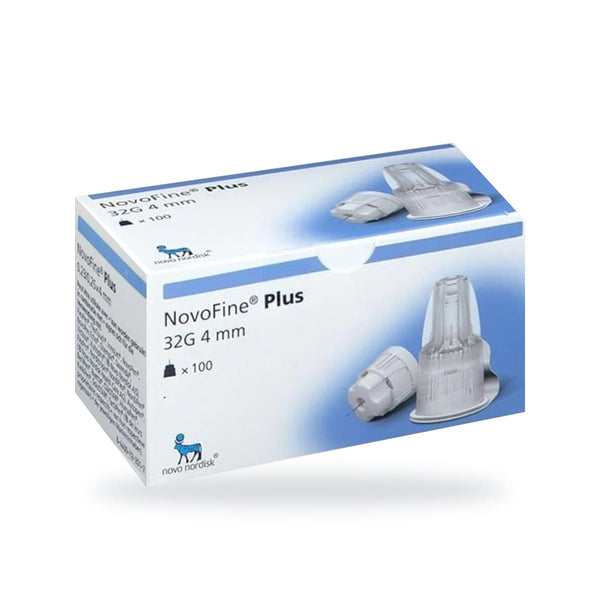
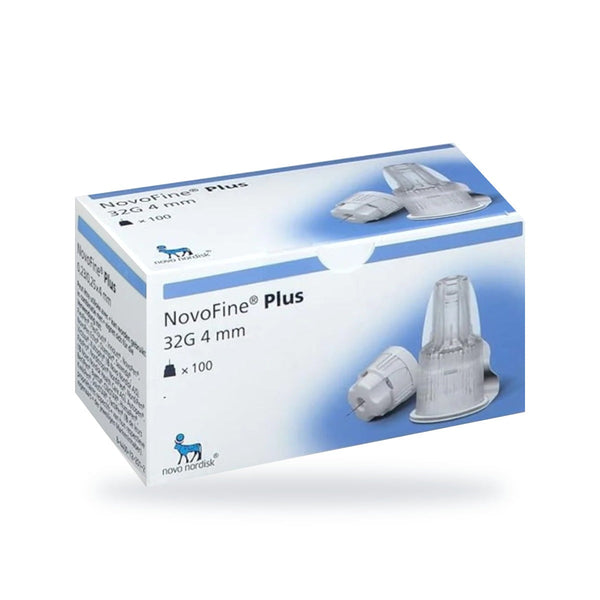
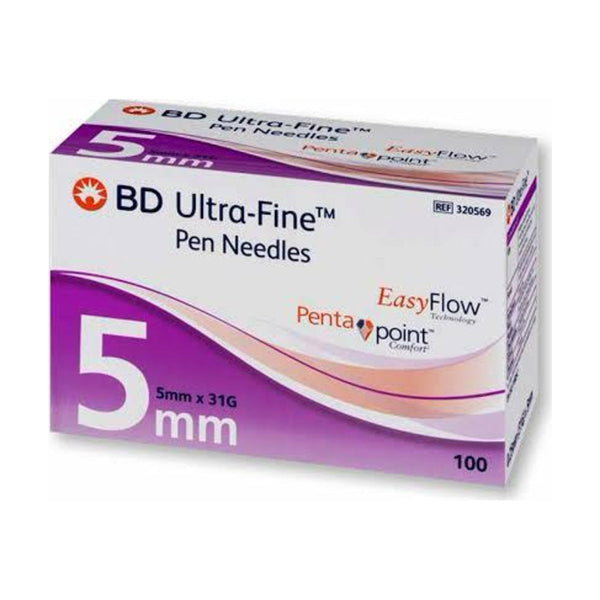
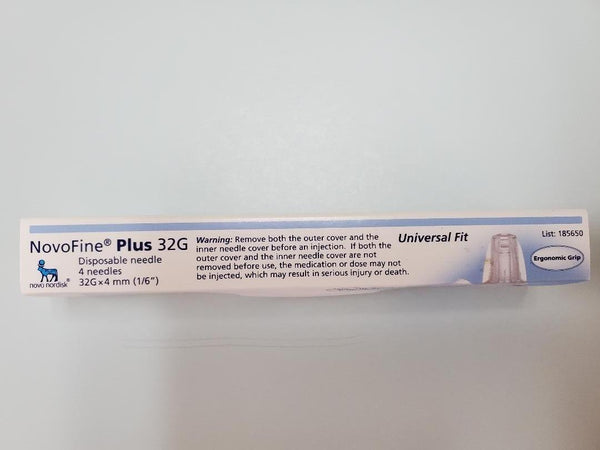
Popular options at Zahrun include NovoFine Plus 32G 4mm pen needles and BD Nano 2nd Gen 32G 4mm pen needles. You can compare every size in our pen needles collection.

Setting Up Your Injection Space
- Bright, even light. A desk lamp aimed at your hands works better than overhead light that casts shadows.
- High-contrast surface. Lay a dark towel or tray under your supplies. White paper tabs and light-colored caps stand out much more against a dark background.
- Same place, same order. Arrange items left to right: pen, new needle, alcohol swab, sharps container. Return each item to its spot.
- Magnification. A handheld or stand magnifier can help with the dose window. Ask your eye care provider about low-vision aids.
A Touch-Based Routine for Attaching and Removing the Needle
- Feel for the paper tab and peel it fully off. If the tab feels torn or loose before you open it, set that needle aside.
- Hold the pen upright and screw the needle on straight until snug. It should turn smoothly, not wobble.
- Pull off the large outer cap and keep it. Then remove the thin inner cap. Many people miss this second cap, so make a habit of feeling for it every time. Our pen needle inner cap guide explains both caps.
- Do the safety (priming) test your pen's instructions call for. You may feel or hear a drop rather than see it, so ask your diabetes educator how best to confirm it.
- After the injection, recap with the outer cap only, unscrew the needle, and drop it straight into your sharps container.
Getting Help With Dosing
Many pens click as you turn the dose selector, but please don't rely on counting clicks unless your healthcare provider or pharmacist has confirmed it's appropriate for your specific pen. Ask about assistive devices, pre-set routines, or having a trusted person check your dose. Specific medical and dosing decisions should always follow your healthcare provider's guidance.
Quick Checklist: Pen Needles for Low Vision
- One brand and size of pen needle you know by feel
- Bright lamp and a dark, high-contrast tray
- Supplies in the same order every time
- Check for the inner cap on every needle
- Sharps container within easy reach
- A provider-approved way to confirm your dose
FAQ
Are 4mm pen needles good for people with low vision?
They're a common choice for adults because they're short and often don't require a skin pinch, which simplifies the routine. Confirm with your provider.
Should I change brands to find an easier needle?
It's fine to try one, but once you find one that feels easy, stick with it so your routine stays consistent. A small trial pack can help you test first.
Can I reuse a needle to save steps?
No. Use a new pen needle for every injection.
Ready to stock up? Use code WELCOME10 for 10% off pen needles at Zahrun.
Shop genuine pen needles
Factory-sealed NovoFine and BD, with free U.S. shipping.