
You finish your injection, glance at the pen, and notice a pink tinge or a red streak inside the cartridge, or a bit of blood in the needle. Finding blood in your insulin pen is unsettling, but it's a known issue that people who inject regularly occasionally run into. This guide explains how it can happen, what general pen guidance says to do, and the pen needle habits that make it less likely. It's general information, not medical advice; for decisions about your insulin or doses, follow your healthcare provider and pharmacist.
Blood in Insulin Pen: How Can It Get Inside?
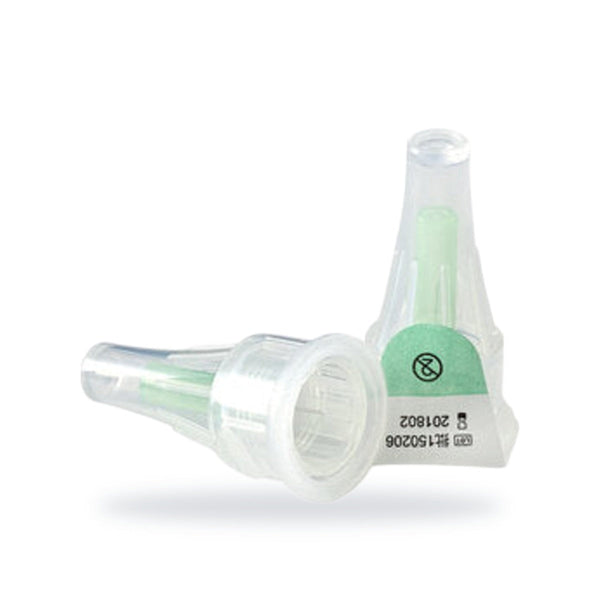
A pen needle is a tiny open channel between your skin and the insulin cartridge. Most of the time insulin only flows one way, out of the pen. But if the needle nicks a small blood vessel under the skin, a little blood can sit in the needle tip after you pull it out. Pressure changes can then draw a small amount back toward the cartridge, for example when the dose button is released while the needle is still in the skin, or when a needle is left attached to the pen after the injection.
It's important to separate two situations:
- Blood on your skin or the needle tip only. This is common and usually minor. Press the spot lightly with gauze or a cotton ball and don't rub. Our guide to bleeding after an insulin injection covers this in detail.
- Blood visible inside the insulin cartridge. This means the insulin itself has been exposed, which is a different concern.
What to Do If You See Blood Inside the Cartridge
Hospital and pharmacy instructions for injection pens share a simple rule: if the insulin doesn't look the way it should, don't use it, and switch to a new pen or cartridge. Clear insulin should look clear, and cloudy insulin should look evenly cloudy after mixing. Pink, red, or streaked insulin doesn't meet that standard.
- Remove the needle and put it in a sharps container.
- Set the pen aside and use a new pen or cartridge for your next dose.
- Call your pharmacist or healthcare provider if you're unsure whether to replace it, or if you're not sure you received your full dose. Don't take an extra dose on your own.
- Never share the pen, even after changing the needle. Blood in a cartridge is one reason pens are strictly single-person devices.

Pen Needle Habits That Help Prevent Blood in Your Insulin Pen
- Keep the button pressed until the needle is out. Most pen instructions say to hold the dose button down and keep the needle in the skin for a set count. Follow your pen's leaflet exactly, and avoid letting go of the button while the needle is still in.
- Remove the needle right after every injection. Leaving it on creates an open path between the outside and the cartridge. See why you shouldn't leave the needle on an insulin pen.
- Use a new needle every time. A reused tip can dull or bend, which makes tissue trauma and bleeding more likely.
- Rotate injection sites. Moving each shot a little away from the last helps keep skin healthy and avoids areas that bruise easily.
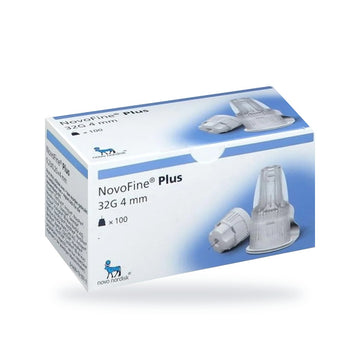
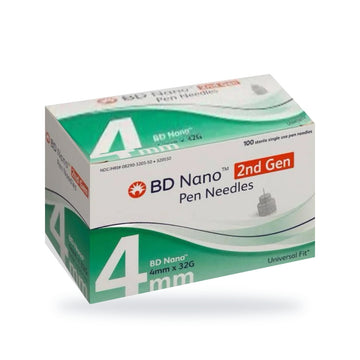
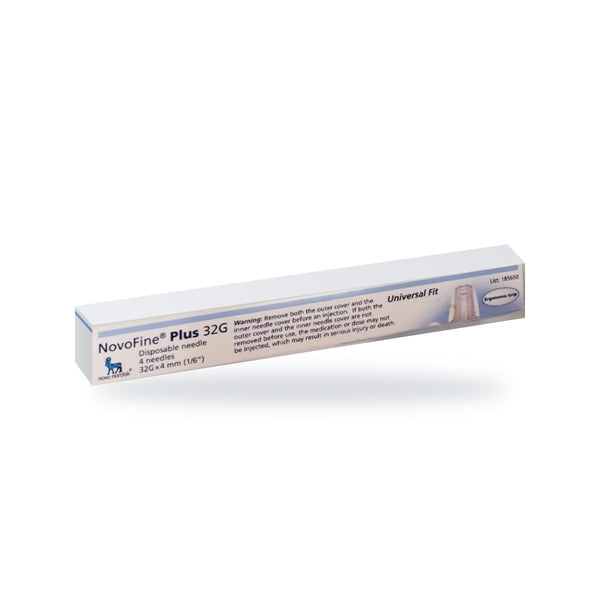
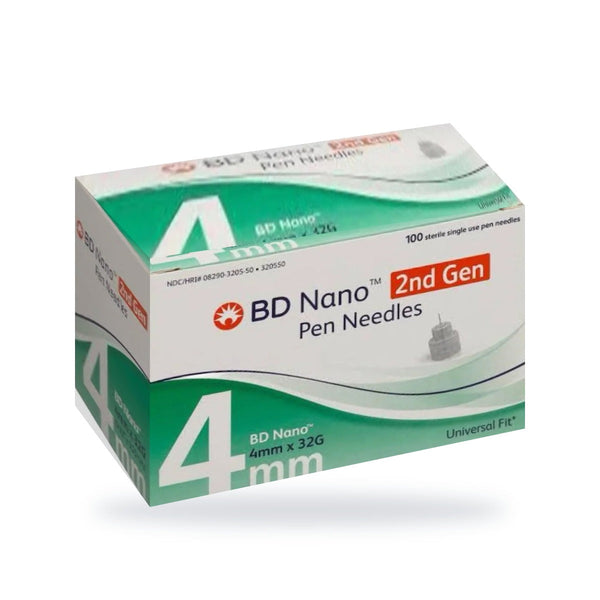
- Consider a short, thin needle. Short needles such as 4mm are widely used by adults to reach the fat layer under the skin. Options include NovoFine 32G 4mm pen needles and BD Nano 2nd Gen 32G 4mm pen needles. Ask your provider before changing length.
You can compare every length and gauge in our pen needles collection.
Quick Checklist
- Check your insulin's appearance before every injection.
- Blood only on the skin: press lightly, don't rub.
- Blood inside the cartridge: switch to a new pen or cartridge and ask your pharmacist if unsure.
- Don't repeat a dose without advice.
- Keep a spare pen and enough pen needles at home.
FAQ: Blood in an Insulin Pen
Is a drop of blood in the needle the same as blood in the pen?
No. Blood in the used needle is common and the needle is thrown away anyway. Blood you can see inside the cartridge is the situation that calls for a new pen.
Does this happen with GLP-1 pens too?
Screw-on pens such as Ozempic, Victoza, and Saxenda use the same kind of pen needle, so the same habits apply. If the medicine looks unusual, ask your pharmacist before using it.
Should I see a doctor if it keeps happening?
If you often see blood or fluid at the injection site, mention it to your provider or diabetes educator. They can check your technique, sites, and needle size.
Restocking so every shot gets a fresh needle? New customers can use code WELCOME10 for 10% off their order.
This article is general information, not medical advice. Follow your pen's Instructions for Use and your healthcare provider's guidance on insulin, doses, needle size, and injection technique.
Shop genuine pen needles
Factory-sealed NovoFine and BD, with free U.S. shipping.